 Mozambique
Other resources (non-core)
Country Indexes
UN Women in action: Strategic insights and achievements
View annual report narratives for the year
Advancing SDGs: UN Women's impact and key achievements
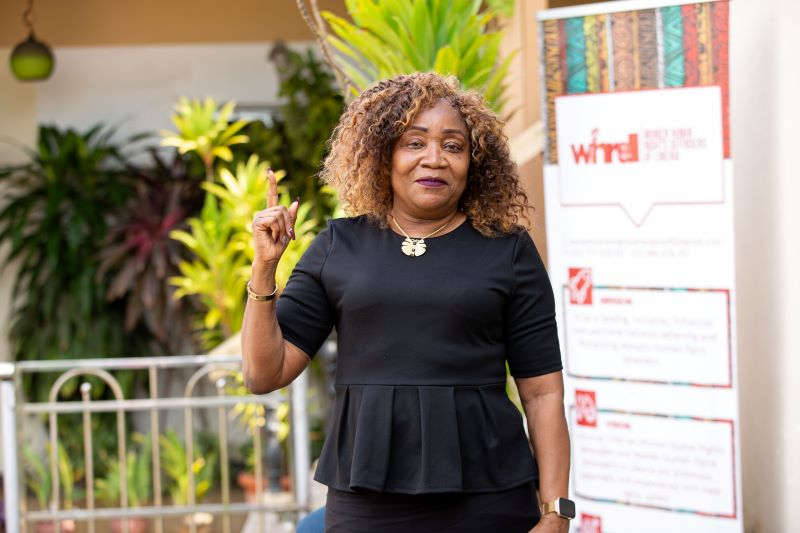
Women’s leadership in peacebuilding and community protection was significantly strengthened through a women-led model that improved safety, social cohesion, and participation in local governance across eight districts in Mozambique, including conflict-affected areas. Through strategic partnerships with national women’s rights and community-based organizations — CESC, HIKONE, LEMUSICA, GMPIS, and OPHENTA and with support from Norway, UN Women enabled the establishment and strengthening of a network of 240 Women Peace Sentinels, equipping women with practical skills, tools, and structured platforms to prevent violence, mediate disputes, and support early response mechanisms at community level.
As a result, women who were previously excluded from decision-making became recognized local peace actors. Peace Sentinels reported 133 cases of violence to community justice and protection mechanisms, mediated four land disputes and 23 early unions, and contributed to prevention efforts that reduced vulnerability among youth, including preventing the recruitment of 20 young men into violence-related activities. Their growing credibility translated into increased participation in governance processes: 12 Peace Sentinels were invited by government authorities to contribute to district development planning, while three women served as accredited electoral observers, supporting safer and more inclusive civic processes.
Access to protection and support services for women and girls also improved. Through 55 women-friendly safe spaces[1], Peace Sentinels reached 2,454 women with lifesaving information, referrals, psychosocial support, and secure environments to access multi-sectoral services. These changes demonstrate strengthened community resilience and increased trust in women’s leadership in conflict prevention and response.
[1] The 55 safe spaces serve as a platform for women to Seek assistance and psychological support; Exchange experiences with peers; and access essential services and resources.
UN Women’s role was catalytic in enabling this outcome. By providing technical guidance, capacity development, coordination support, and partnership frameworks linking grassroots organizations, local authorities, and community justice actors, UN Women helped institutionalize women’s participation in peacebuilding structures and ensured that women’s leadership translated into tangible protection and governance outcomes.
This model contributes directly to the Sustainable Development Goals by advancing women’s leadership (SDG 5), promoting peaceful and inclusive societies (SDG 16), and strengthening community resilience through locally driven solutions. The initiative demonstrates how investing in grassroots women’s leadership can shift social norms, expand women’s influence in governance, and produce measurable improvements in safety and inclusion.
As a result, women who were previously excluded from decision-making became recognized local peace actors. Peace Sentinels reported 133 cases of violence to community justice and protection mechanisms, mediated four land disputes and 23 early unions, and contributed to prevention efforts that reduced vulnerability among youth, including preventing the recruitment of 20 young men into violence-related activities. Their growing credibility translated into increased participation in governance processes: 12 Peace Sentinels were invited by government authorities to contribute to district development planning, while three women served as accredited electoral observers, supporting safer and more inclusive civic processes.
Access to protection and support services for women and girls also improved. Through 55 women-friendly safe spaces[1], Peace Sentinels reached 2,454 women with lifesaving information, referrals, psychosocial support, and secure environments to access multi-sectoral services. These changes demonstrate strengthened community resilience and increased trust in women’s leadership in conflict prevention and response.
[1] The 55 safe spaces serve as a platform for women to Seek assistance and psychological support; Exchange experiences with peers; and access essential services and resources.
UN Women’s role was catalytic in enabling this outcome. By providing technical guidance, capacity development, coordination support, and partnership frameworks linking grassroots organizations, local authorities, and community justice actors, UN Women helped institutionalize women’s participation in peacebuilding structures and ensured that women’s leadership translated into tangible protection and governance outcomes.
This model contributes directly to the Sustainable Development Goals by advancing women’s leadership (SDG 5), promoting peaceful and inclusive societies (SDG 16), and strengthening community resilience through locally driven solutions. The initiative demonstrates how investing in grassroots women’s leadership can shift social norms, expand women’s influence in governance, and produce measurable improvements in safety and inclusion.
Advancing SDGs: UN Women's impact and key achievements
The women’s movement in Mozambique was further strengthened. Women organizations, networks and movements including women from political parties (Electoral candidates, voters, election observers) amplified their voice to influence the 2024 general elections process from a gender perspective. Through UN Women advocacy, convening as well as technical support and financial support in partnership with UNDP, more than five hundred and women from all over the country engaged in a consultative and inclusive process. They worked collectively to develop a Declaration of Collective Action (DCA) to guide their engagement with political contenders, elections management bodies, women and the population at large. It aimed to promote an increased participation of women in the election process not only as voters but also as candidates, observers and poling officers. Deliberate efforts were made to ensure the participation of women living in rural areas, disabled and young women. The DCA outlined key concerns surrounding political participation and leadership, concrete demands to political players to address gender equality issues during and after elections, and their own actions aimed at ensuring attention to these issues. It also included key common messages to guide advocacy at the national, provincial and district levels. The declaration was shared in a national event which took place simultaneously (in person and virtual), in Maputo and all provincial capitals with political parties as well as the CNE in Maputo and all 10 Provincial Capitals on a national dialogue that took place on June 14th with the participation of 4. This was followed by the civic education campaign on women and elections that was designed by the women. The civic campaign consisted of dissemination of key messages by the women through direct engagement in their communities and, 28 community radios, in 18 local languages in 11 provinces of Mozambique as part of the civic education campaign to mobilize women to vote, and advocate for attention to women’s priorities in the political parties’ manifestos and electoral process in general. The National Forum of Community Radios estimated that the civic education campaign reached 5,6 million people. Another 35,000 people were reached via UN Women and UNDP social media platforms, namely Facebook and Twitter. Since the DCA includes post -election actions, it will be critical for the CO to continue to support follow up actions to enable continuous growth of the women’s movement and progress of the gender equality agenda.
Advancing SDGs: UN Women's impact and key achievements
The main results from UN Women’s programming in 2023 was the compound change in the lives of women and youth IDPs in conflict settings in Northern Mozambique. The change included increased voice, employability skills, income generation capacity and nutritional status of crisis affected 10,000 women and youth internally displaced in Cabo Delgado – representing a direct contribution to accelerated achievement of SDG´1,4,5 and 16. UN Women contributed to transformative changes in the lives of the further left behind women with disabilities, living with HIV, from low-income households and youth IDPs by ensuring a substantial increase in the number of youth and adults who have relevant skills, including vocational for employment or entrepreneurship in resettlement centers complemented with food and dignity kits. This was further strengthened through the promotion of women’s effective participation in the peace building and tackling gender-based violence i. UN Women work also addressed barriers to women’s access to humanitarian aid by actively playing its coordination mandate at the HCT and humanitarian cluster system, following its admission to IASC.
UN Women’s work sought to prevent further deterioration of women’s human rights caused by significant disruption of basic services as the IDPs crisis resulting from climate and conflict becomes multiyear, requiring a combination of developmental programming with short-term lifesaving and life-sustaining interventions. UN Women applied an integrated programming approach with cross investments on WEE,
UN Women’s work sought to prevent further deterioration of women’s human rights caused by significant disruption of basic services as the IDPs crisis resulting from climate and conflict becomes multiyear, requiring a combination of developmental programming with short-term lifesaving and life-sustaining interventions. UN Women applied an integrated programming approach with cross investments on WEE,
Advancing SDGs: UN Women's impact and key achievements
A total of 6,630 women and adolescent girls affected by conflict, survivors of child marriage and gender-based violence achieved their economic autonomy, leading to a life free from violence. To that end, the CO provided support in line with a consolidated comprehensive financial instrument for the economic empowerment (https://africa.unwomen.org/en/stories/feature-story/2022/08/unleashing-young-womens-entrepreneurial-potential-in-mozambique). The comprehensive financial instrument covered financial literacy, village saving groups business startup kits, business management, and entrepreneurship training, and was embedded into the CO's work and crosscuts both Ending Violence Against Women and Girls (EVAW) and Women, Peace, and Security (WPS) interventions, beside the usual stand-alone Women Economic Empowerment portfolio. Furthermore, UN Women in Mozambique has supported the State Secretariat of Youth and Employment in setting up knowledge hubs for youth’s increased access to reference documents on entrepreneurship and employability. This has in turn driven 2,000 job creation and income generation among young women, as the Mozambican society strives to mitigate the negative socioeconomic impact of the COVID-19 pandemic and severe climate-related shocks. Please visit https://africa.unwomen.org/en/stories/news/2022/11/supporting-youth-employability-and-entrepreneurship-initiatives-in-mozambique. The technical assistance to the government was complemented by increasing the capacity of 30 Government Planners and Gender Focal Points (22 women) on the COVID-19 Tool for assessing the Fiscal Stimulus Package adopted in response to the social and economic impact of COVID19. https://africa.unwomen.org/en/stories/news/2022/07/engendering-the-fiscal-stimulus-package-in-mozambique. With the support from Japan, Norway and KOICA, the comprehensive approach to economic empowerment and leadership is expected to be scaled up in 2023 to promote the socio-economic recovery of women and girls IDPs affected by the conflict in northern Mozambique.
Results and resources
- Results overview
- Total resources
- Development results and resources
- Organizational results and resources
Budget
Expenses
Outcome
Result statement
IATI identifier
OutcomeMOZ_D_2.1
Outcome result statementThis refers to the CO interventions contributing towards professionalization, job creation and income generation for rural women and young women by fostering their transition from less formal, vulnerable and subsistence occupations, to decent and sustainable work, as well as, increase climate resilient agribusiness opportunities. This will help diversified sources of income and secure access to and control over productive assets.
IATI identifierXM-DAC-41146-MOZ_D_2.1
OutcomeMOZ_D_3.1
Outcome result statementMobilize Women, girls, men and boys at the community and individual level, formal and informal decision makers to prevent and combat violence against women, enhance the capacity of Government institutions, organisations of women, young women, men and media to implement gender transformative approach and support with Women´s rights groups and relevant CSOs to share knowledge, networking and advocacy for GEWE
IATI identifierXM-DAC-41146-MOZ_D_3.1
OutcomeMOZ_D_4.1
Outcome result statementThe enabling environment for sustainable implementation of women in leadership, WPS and Humanitarian Action commitments is strengthened - The WPS Agenda and National Action Plan on Women, Peace and Security in Mozambique, Gender-Responsive Humanitarian Action commitments, and women in leadership commitments are implemented and monitored
IATI identifierXM-DAC-41146-MOZ_D_4.1
OutcomeMOZ_D_6.1
Outcome result statementSupport to government and relevant institutions to formulate, implement, monitor imlmentation of policies and laws on GEWE, informed by global norms, standards and process and timely fullfil the global reporting obligations
IATI identifierXM-DAC-41146-MOZ_D_6.1
OutcomeMOZ_D_6.2
Outcome result statementUn Coordination
IATI identifierXM-DAC-41146-MOZ_D_6.2
Budget
Expenses
Outcome
Result statement
IATI identifier
OutcomeMOZ_O_1
Outcome result statementNurturing an empowered workforce and advancing an inclusive UN-Women culture: With its unique and inclusive culture, UN Women is an employer of choice with a diverse and highly performing cadre of personnel that embodies UN values
IATI identifierXM-DAC-41146-MOZ_O_1
OutcomeMOZ_O_2
Outcome result statementAdvancing business transformation: UN Women strategically plans for and transforms its business model to deliver impact at scale, through agile and ethical leadership rooted in a continuous improvement culture
IATI identifierXM-DAC-41146-MOZ_O_2
OutcomeMOZ_O_3
Outcome result statementAssuring an accountable organization through principled performance: UN Women is an accountable and trustworthy development organization that manages its financial and other resources with integrity and in line with its programmatic ambitions and fiduciary obligations.
IATI identifierXM-DAC-41146-MOZ_O_3
OutcomeMOZ_O_4
Outcome result statementAdvancing partnerships & resourcing; Effectively influencing for impact & scale : UN Women effectively leverages and expands its partnerships, communications and advocacy capabilities to increase support for and financing of the gender equality agenda, while securing sustainable resourcing for the delivery of its own mandate.
IATI identifierXM-DAC-41146-MOZ_O_4
OutcomeMOZ_O_5
Outcome result statementEffective normative, programmatic and coordination products, services and processes: UN -Women efficiently and effectively discharges of all business processes that advance integrated delivery of its mandate at HQ, Regional and Country levels, including through shared services
IATI identifierXM-DAC-41146-MOZ_O_5
Resources allocated towards SDGs
View SDG data for
Our funding partners contributions
- Chart
- Table
Regular resources (core)
$910.32 K in total
Lorem Ipsum is simply dummy text of the printing and typesetting industry.
Other resources (non-core)
$17.30 M in total
Regular resources (core)
$910.32 K in total
Lorem Ipsum is simply dummy text of the printing and typesetting industry.
| 2022 | 2021 | 2020 | 2019 | 2018 | |
|---|---|---|---|---|---|
| United Nations Entity for Gender Equality and the Empowerment of Women (UN Women) | $174,275 2022
United Nations Entity for Gender Equality and the Empowerment of Women (UN Women)
Total contribution:$174,275
Development:$174,275(100%)
Humanitarian:$0(0%)
|
$132,086 2021
United Nations Entity for Gender Equality and the Empowerment of Women (UN Women)
Total contribution:$132,086
Development:$132,086(100%)
Humanitarian:$0(0%)
|
$231,795 2020
United Nations Entity for Gender Equality and the Empowerment of Women (UN Women)
Total contribution:$231,795
Development:$231,795(100%)
Humanitarian:$0(0%)
|
$189,667 2019
United Nations Entity for Gender Equality and the Empowerment of Women (UN Women)
Total contribution:$189,667
Development:$189,667(100%)
Humanitarian:$0(0%)
|
$182,500 2018
United Nations Entity for Gender Equality and the Empowerment of Women (UN Women)
Total contribution:$182,500
Development:$182,500(100%)
Humanitarian:$0(0%)
|
2022
United Nations Entity for Gender Equality and the Empowerment of Women (UN Women)$174,275
Total contribution$174,275
Development$174,275(100%)
Humanitarian$0(0%)
2021
United Nations Entity for Gender Equality and the Empowerment of Women (UN Women)$132,086
Total contribution$132,086
Development$132,086(100%)
Humanitarian$0(0%)
2020
United Nations Entity for Gender Equality and the Empowerment of Women (UN Women)$231,795
Total contribution$231,795
Development$231,795(100%)
Humanitarian$0(0%)
2019
United Nations Entity for Gender Equality and the Empowerment of Women (UN Women)$189,667
Total contribution$189,667
Development$189,667(100%)
Humanitarian$0(0%)
2018
United Nations Entity for Gender Equality and the Empowerment of Women (UN Women)$182,500
Total contribution$182,500
Development$182,500(100%)
Humanitarian$0(0%)
Other resources (non-core)
$17.30 M in total
Lorem Ipsum is simply dummy text of the printing and typesetting industry.
| 2022 | 2021 | 2020 | 2019 | 2018 | |
|---|---|---|---|---|---|
| Belgium | --
2022
No data available
|
--
2021
No data available
|
--
2020
No data available
|
$2 2019
BelgiumOECD-DAC donor
Total contribution:$2
Development:$2(100%)
Humanitarian:$0(0%)
|
$360,194 2018
BelgiumOECD-DAC donor
Total contribution:$360,194
Development:$360,194(100%)
Humanitarian:$0(0%)
|
| Iceland | $1 2022
IcelandOECD-DAC donor
Total contribution:$1
Development:$1(100%)
Humanitarian:$0(0%)
|
$676,211 2021
IcelandOECD-DAC donor
Total contribution:$676,211
Development:$676,211(100%)
Humanitarian:$0(0%)
|
$416,295 2020
IcelandOECD-DAC donor
Total contribution:$416,295
Development:$416,295(100%)
Humanitarian:$0(0%)
|
$599,279 2019
IcelandOECD-DAC donor
Total contribution:$599,279
Development:$599,279(100%)
Humanitarian:$0(0%)
|
$523,849 2018
IcelandOECD-DAC donor
Total contribution:$523,849
Development:$523,849(100%)
Humanitarian:$0(0%)
|
| Ireland | --
2022
No data available
|
--
2021
No data available
|
--
2020
No data available
|
$43,743 2019
IrelandOECD-DAC donor
Total contribution:$43,743
Development:$43,743(100%)
Humanitarian:$0(0%)
|
$78,863 2018
IrelandOECD-DAC donor
Total contribution:$78,863
Development:$78,863(100%)
Humanitarian:$0(0%)
|
| Joint United Nations Programme on HIV and AIDS (UNAIDS) | $68,707 2022
Joint United Nations Programme on HIV and AIDS (UNAIDS)United Nations organization
Total contribution:$68,707
Development:$68,707(100%)
Humanitarian:$0(0%)
|
$48,956 2021
Joint United Nations Programme on HIV and AIDS (UNAIDS)United Nations organization
Total contribution:$48,956
Development:$48,956(100%)
Humanitarian:$0(0%)
|
$80,000 2020
Joint United Nations Programme on HIV and AIDS (UNAIDS)United Nations organization
Total contribution:$80,000
Development:$80,000(100%)
Humanitarian:$0(0%)
|
--
2019
No data available
|
$120,000 2018
Joint United Nations Programme on HIV and AIDS (UNAIDS)United Nations organization
Total contribution:$120,000
Development:$120,000(100%)
Humanitarian:$0(0%)
|
| Mozambique | --
2022
No data available
|
--
2021
No data available
|
--
2020
No data available
|
$28,841 2019
MozambiqueGovernment
Total contribution:$28,841
Development:$28,841(100%)
Humanitarian:$0(0%)
|
$37,328 2018
MozambiqueGovernment
Total contribution:$37,328
Development:$37,328(100%)
Humanitarian:$0(0%)
|
| Norway | $155,244 2022
NorwayOECD-DAC donor
Total contribution:$155,244
Development:$155,244(100%)
Humanitarian:$0(0%)
|
$558,162 2021
NorwayOECD-DAC donor
Total contribution:$558,162
Development:$558,162(100%)
Humanitarian:$0(0%)
|
$383,519 2020
NorwayOECD-DAC donor
Total contribution:$383,519
Development:$383,519(100%)
Humanitarian:$0(0%)
|
$545,520 2019
NorwayOECD-DAC donor
Total contribution:$545,520
Development:$545,520(100%)
Humanitarian:$0(0%)
|
$516,141 2018
NorwayOECD-DAC donor
Total contribution:$516,141
Development:$516,141(100%)
Humanitarian:$0(0%)
|
| United Nations Multi-Partner Trust Fund Office | $725,595 2022
United Nations Multi-Partner Trust Fund OfficeUnited Nations pooled fund
Total contribution:$725,595
Development:$725,595(100%)
Humanitarian:$0(0%)
|
$1,142,100 2021
United Nations Multi-Partner Trust Fund OfficeUnited Nations pooled fund
Total contribution:$1,142,100
Development:$1,142,100(100%)
Humanitarian:$0(0%)
|
$296,850 2020
United Nations Multi-Partner Trust Fund OfficeUnited Nations pooled fund
Total contribution:$296,850
Development:$296,850(100%)
Humanitarian:$0(0%)
|
$1,391,503 2019
United Nations Multi-Partner Trust Fund OfficeUnited Nations pooled fund
Total contribution:$1,391,503
Development:$1,391,503(100%)
Humanitarian:$0(0%)
|
$214,416 2018
United Nations Multi-Partner Trust Fund OfficeUnited Nations pooled fund
Total contribution:$214,416
Development:$214,416(100%)
Humanitarian:$0(0%)
|
| United Nations Population Fund (UNFPA) | --
2022
No data available
|
--
2021
No data available
|
--
2020
No data available
|
--
2019
No data available
|
$9,905 2018
United Nations Population Fund (UNFPA)United Nations organization
Total contribution:$9,905
Development:$9,905(100%)
Humanitarian:$0(0%)
|
| European Commission (Spotlight) | $1,729,852 2022
European Commission (Spotlight)OECD-DAC donor
Total contribution:$1,729,852
Development:$1,729,852(100%)
Humanitarian:$0(0%)
|
$2,821,491 2021
European Commission (Spotlight)OECD-DAC donor
Total contribution:$2,821,491
Development:$2,821,491(100%)
Humanitarian:$0(0%)
|
$1,463,483 2020
European Commission (Spotlight)OECD-DAC donor
Total contribution:$1,463,483
Development:$1,463,483(100%)
Humanitarian:$0(0%)
|
$1,433,299 2019
European Commission (Spotlight)OECD-DAC donor
Total contribution:$1,433,299
Development:$1,433,299(100%)
Humanitarian:$0(0%)
|
--
2018
No data available
|
| United Nations Development Programme (UNDP) | --
2022
No data available
|
$80,400 2021
United Nations Development Programme (UNDP)United Nations organization
Total contribution:$80,400
Development:$80,400(100%)
Humanitarian:$0(0%)
|
$53,500 2020
United Nations Development Programme (UNDP)United Nations organization
Total contribution:$53,500
Development:$53,500(100%)
Humanitarian:$0(0%)
|
--
2019
No data available
|
--
2018
No data available
|
| United Nations Environmental Programme Unit | --
2022
No data available
|
$1,791 2021
United Nations Environmental Programme UnitUnited Nations organization
Total contribution:$1,791
Development:$1,791(100%)
Humanitarian:$0(0%)
|
$78,155 2020
United Nations Environmental Programme UnitUnited Nations organization
Total contribution:$78,155
Development:$78,155(100%)
Humanitarian:$0(0%)
|
--
2019
No data available
|
--
2018
No data available
|
| Direct Relief | --
2022
No data available
|
$25,000 2021
Direct ReliefNGO
Total contribution:$25,000
Development:$25,000(100%)
Humanitarian:$0(0%)
|
--
2020
No data available
|
--
2019
No data available
|
--
2018
No data available
|
| Republic of Korea (the) | --
2022
No data available
|
$50,000 2021
Republic of Korea (the)OECD-DAC donor
Total contribution:$50,000
Development:$50,000(100%)
Humanitarian:$0(0%)
|
--
2020
No data available
|
--
2019
No data available
|
--
2018
No data available
|
| Japan | $546,421 2022
JapanOECD-DAC donor
Total contribution:$546,421
Development:$546,421(100%)
Humanitarian:$0(0%)
|
--
2021
No data available
|
--
2020
No data available
|
--
2019
No data available
|
--
2018
No data available
|
2022
Iceland$1
Total contribution$1
Development$1(100%)
Humanitarian$0(0%)
Joint United Nations Programme on HIV and AIDS (UNAIDS)$68,707
Total contribution$68,707
Development$68,707(100%)
Humanitarian$0(0%)
Norway$155,244
Total contribution$155,244
Development$155,244(100%)
Humanitarian$0(0%)
United Nations Multi-Partner Trust Fund Office$725,595
Total contribution$725,595
Development$725,595(100%)
Humanitarian$0(0%)
European Commission (Spotlight)$1,729,852
Total contribution$1,729,852
Development$1,729,852(100%)
Humanitarian$0(0%)
Japan$546,421
Total contribution$546,421
Development$546,421(100%)
Humanitarian$0(0%)
2021
Iceland$676,211
Total contribution$676,211
Development$676,211(100%)
Humanitarian$0(0%)
Joint United Nations Programme on HIV and AIDS (UNAIDS)$48,956
Total contribution$48,956
Development$48,956(100%)
Humanitarian$0(0%)
Norway$558,162
Total contribution$558,162
Development$558,162(100%)
Humanitarian$0(0%)
United Nations Multi-Partner Trust Fund Office$1,142,100
Total contribution$1,142,100
Development$1,142,100(100%)
Humanitarian$0(0%)
European Commission (Spotlight)$2,821,491
Total contribution$2,821,491
Development$2,821,491(100%)
Humanitarian$0(0%)
United Nations Development Programme (UNDP)$80,400
Total contribution$80,400
Development$80,400(100%)
Humanitarian$0(0%)
United Nations Environmental Programme Unit$1,791
Total contribution$1,791
Development$1,791(100%)
Humanitarian$0(0%)
Direct Relief$25,000
Total contribution$25,000
Development$25,000(100%)
Humanitarian$0(0%)
Republic of Korea (the)$50,000
Total contribution$50,000
Development$50,000(100%)
Humanitarian$0(0%)
2020
Iceland$416,295
Total contribution$416,295
Development$416,295(100%)
Humanitarian$0(0%)
Joint United Nations Programme on HIV and AIDS (UNAIDS)$80,000
Total contribution$80,000
Development$80,000(100%)
Humanitarian$0(0%)
Norway$383,519
Total contribution$383,519
Development$383,519(100%)
Humanitarian$0(0%)
United Nations Multi-Partner Trust Fund Office$296,850
Total contribution$296,850
Development$296,850(100%)
Humanitarian$0(0%)
European Commission (Spotlight)$1,463,483
Total contribution$1,463,483
Development$1,463,483(100%)
Humanitarian$0(0%)
United Nations Development Programme (UNDP)$53,500
Total contribution$53,500
Development$53,500(100%)
Humanitarian$0(0%)
United Nations Environmental Programme Unit$78,155
Total contribution$78,155
Development$78,155(100%)
Humanitarian$0(0%)
2019
Belgium$2
Total contribution$2
Development$2(100%)
Humanitarian$0(0%)
Iceland$599,279
Total contribution$599,279
Development$599,279(100%)
Humanitarian$0(0%)
Ireland$43,743
Total contribution$43,743
Development$43,743(100%)
Humanitarian$0(0%)
Mozambique$28,841
Total contribution$28,841
Development$28,841(100%)
Humanitarian$0(0%)
Norway$545,520
Total contribution$545,520
Development$545,520(100%)
Humanitarian$0(0%)
United Nations Multi-Partner Trust Fund Office$1,391,503
Total contribution$1,391,503
Development$1,391,503(100%)
Humanitarian$0(0%)
European Commission (Spotlight)$1,433,299
Total contribution$1,433,299
Development$1,433,299(100%)
Humanitarian$0(0%)
2018
Belgium$360,194
Total contribution$360,194
Development$360,194(100%)
Humanitarian$0(0%)
Iceland$523,849
Total contribution$523,849
Development$523,849(100%)
Humanitarian$0(0%)
Ireland$78,863
Total contribution$78,863
Development$78,863(100%)
Humanitarian$0(0%)
Joint United Nations Programme on HIV and AIDS (UNAIDS)$120,000
Total contribution$120,000
Development$120,000(100%)
Humanitarian$0(0%)
Mozambique$37,328
Total contribution$37,328
Development$37,328(100%)
Humanitarian$0(0%)
Norway$516,141
Total contribution$516,141
Development$516,141(100%)
Humanitarian$0(0%)
United Nations Multi-Partner Trust Fund Office$214,416
Total contribution$214,416
Development$214,416(100%)
Humanitarian$0(0%)
United Nations Population Fund (UNFPA)$9,905
Total contribution$9,905
Development$9,905(100%)
Humanitarian$0(0%)
Strategic plan contributions
- Impact areas
- Systemic outcomes
- Organizational output
Results stories