UN Women’s Affirmative Procurement Regional Initiative in West and Central Africa
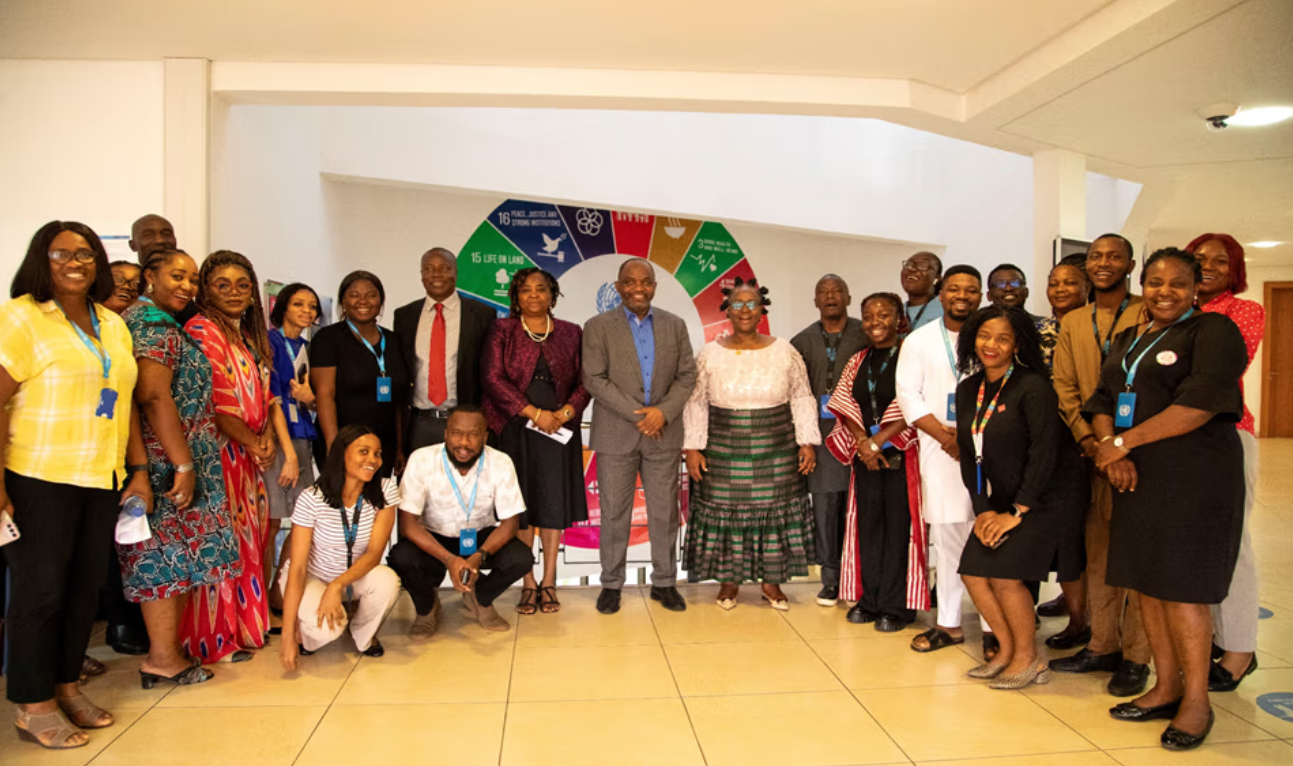 UN Women’s Affirmative Procurement Regional Initiative, funded by the African Development Fund and We-fi (Women Entrepreneurs Financing Facility) has helped improve the abilities of women entrepreneurs and business operations of 1,035 women-led SMEs through targeted training in procurement processes, digital skills, and financial management in across Nigeria, Senegal, Cote d’Ivoire and Mali. Of these, 659 women-led SMEs secured new contracts across public and private sectors, and 245 registered on the UN Global Marketplace (UNGM) platform. They can therefore, access procurement contracts with the UN system in the future. Over 1,700 women entrepreneurs in the four countries are equipped to navigate procurement processes and apply for public bids.
The Affirmative Procurement Initiative is fully aligned with the UN Women Strategic Plan, and tackles root causes and capacity gaps. Its results-focused approach is rendering changes in translating the dynamic set of global gender equality and empowerment norms and standards gender-responsive laws. It also enabled more women entrepreneurs in West and Central Africa to get equitable access to high-quality public goods, services, jobs, and resources that are responsive to their needs.
In 2024, Kaduna State in Nigeria, home to 9 million people, adopted groundbreaking legislation to give women preferential access to public contracts, thanks to UN Women’s support through the regional Project on Affirmative Procurement Reform in West Africa. This important normative landmark outcome advances women’s economic empowerment in West and Central Africa and directly contributes to Sustainable Development Goal 5 (Gender Equality) and Goal 8 (Decent Work and Economic Growth). The Affirmative Procurement Act, adopted, allows women-led businesses to bid even if they do not yet satisfy the prior registration requirement and provides for the minimum allocation of 5 to 20% of the market to them, depending on the type of bid.